Used Robot Dogs for Sale
Pre-owned robot dogs, inspected per unit — every quote includes the inspection report and real photos of the actual robot.
Available robot dogs
 In StockPre-Owned
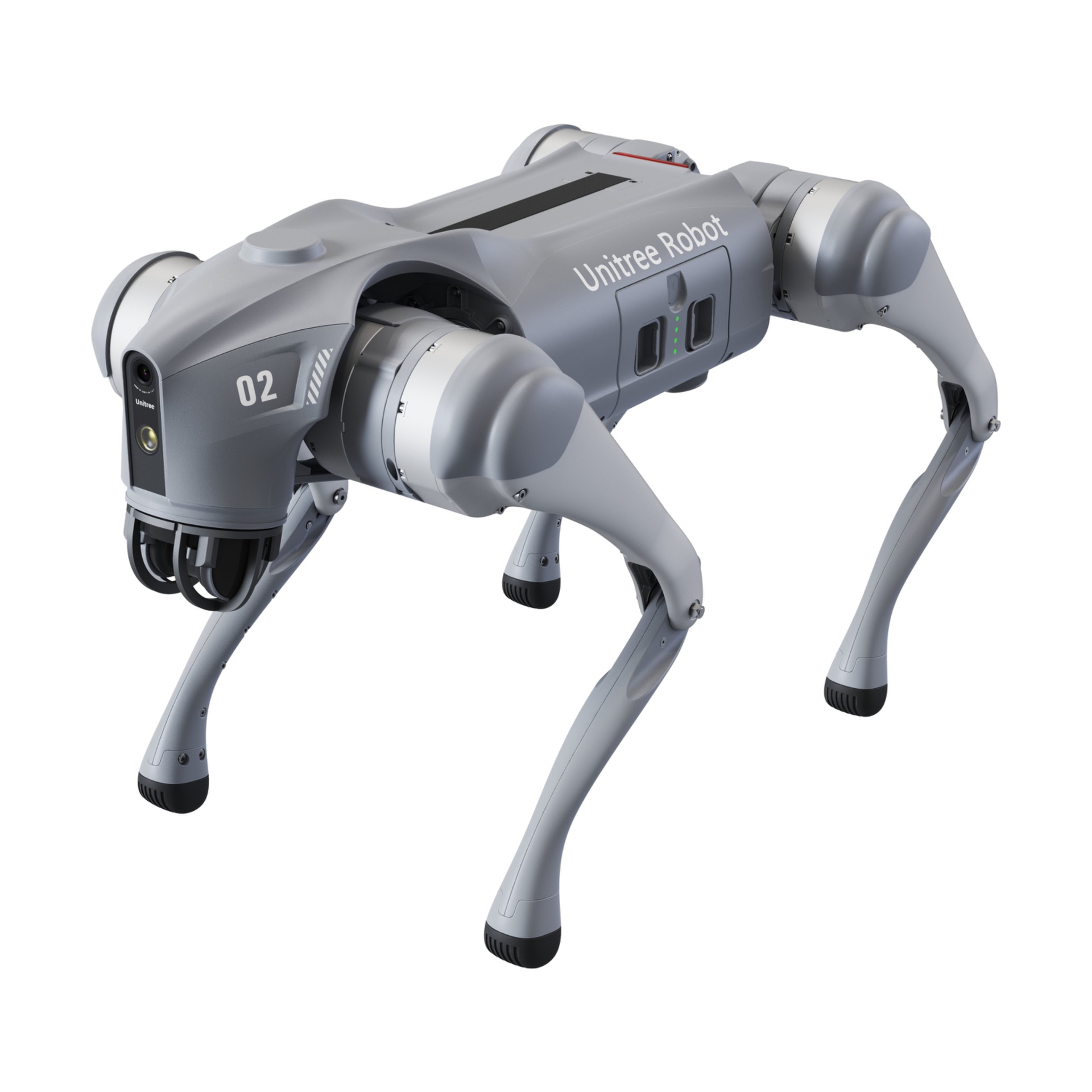
Unitree Go2 Edu
The top-spec developer Go2 — U4 build with 100 TOPS Jetson Orin NX, dual LiDAR and unitree_sdk2/ROS2/Python — inspected per unit, quoted with the report and real photos.
- Size (standing)70×31×40 cm
- Size (crouched)76×31×20 cm
- Weight~15 kg (with battery)
New $19,430
 In StockPre-Owned
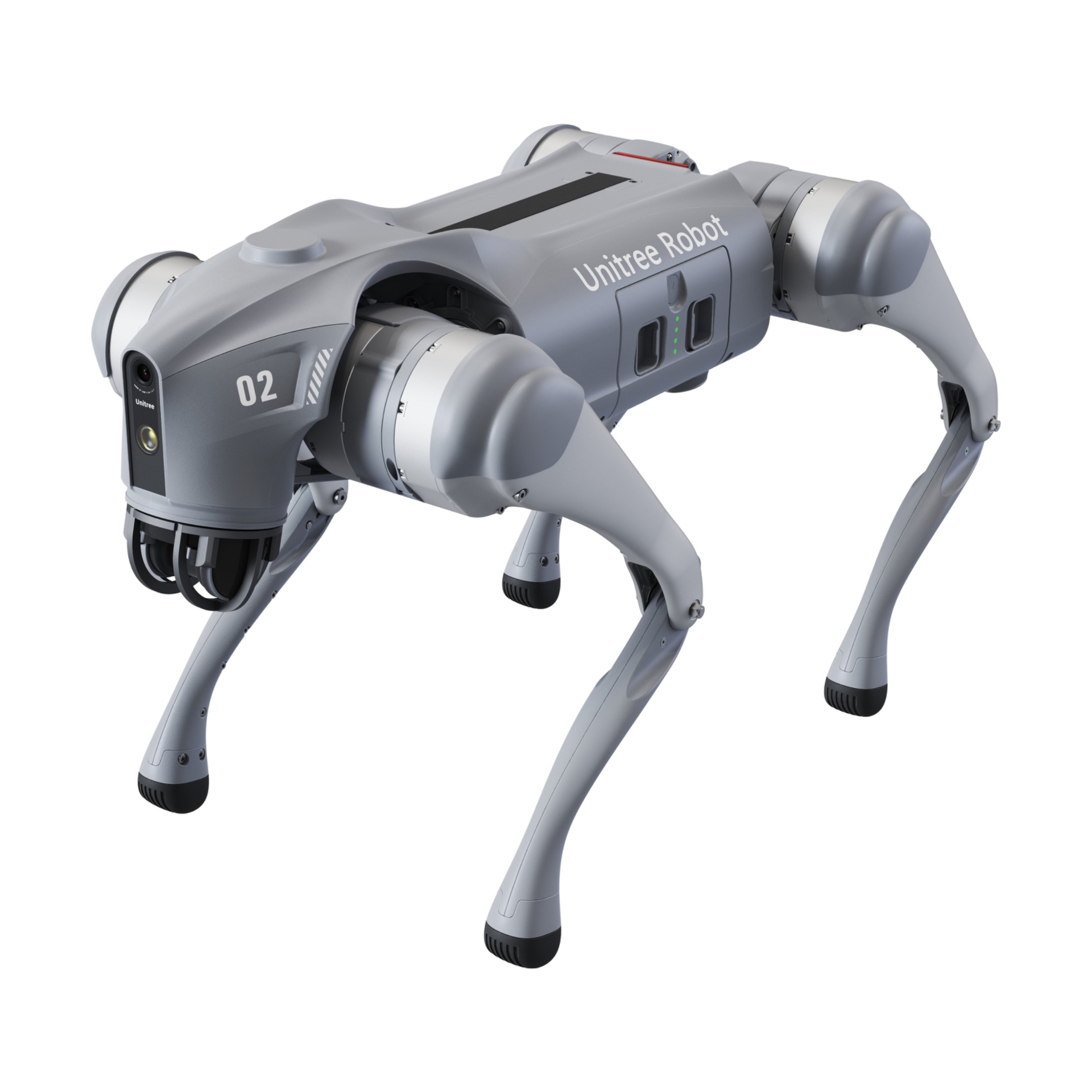
Unitree Go2 Pro
A 15 kg consumer quadruped with 3.5 m/s running, ~8 kg payload and side-follow intelligence — inspected per unit, quoted with the report and real photos.
- Size (standing)70×31×40 cm
- Size (crouched)76×31×20 cm
- Weight~15 kg (with battery)
New $3,790
 In StockPre-Owned
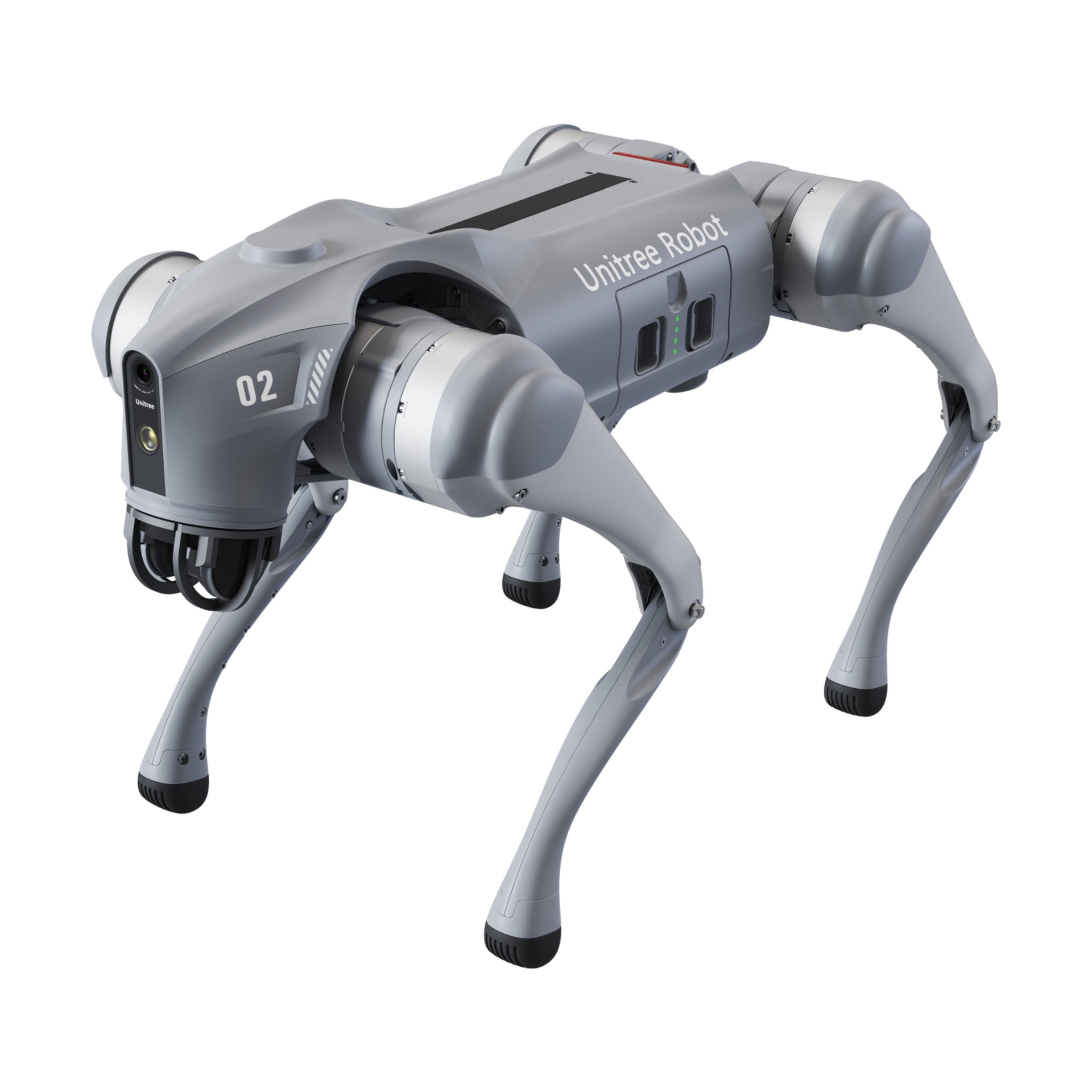
Unitree Go2 Air
A light consumer quadruped with 4D LiDAR, an HD camera and 2.5 m/s running — inspected per unit, quoted with the report and real photos.
- Size (standing)70×31×40 cm
- Size (crouched)76×31×20 cm
- Weight~15 kg (with battery)
New $2,365
Inspected per unit, documented in writing
Every robot dog we sell is taken in, inspected against a written checklist and prepared for shipment. The unit's report comes with your quote — the full process, from pickup to the custom crate it ships in, lives on our inspection page.
See how we inspect and deliverHow a used robot dog gets its price
Robot dogs have no blue book either. What a second-hand quadruped is worth comes down to a handful of verifiable factors — condition, hours, battery, configuration and the market around the model. Every quote here arrives with the documentation behind its number, so you can weigh each factor yourself instead of taking the price on faith.
Condition, graded — not guessed
On a quadruped the wear concentrates where the machine touches the world: joints, feet and body panels. Terrain writes its history into them — a dog that patrolled smooth floors is a different machine from one that climbed stairs daily. Before any unit is listed it is graded against a written checklist, and that grade backs the price; it is also what makes two listings comparable at all.
Hours, history and battery
Operating hours tell part of the story; the battery tells the rest. Packs are consumables, so health and runtime are tested during inspection, and the report records the result along with the pack's capacity and whether the charger is included. A tested pack with documented hours prices very differently from a listing that just says 'looks fine' — ask for both numbers before you compare prices anywhere.
Configuration and completeness
The split between a consumer feature set and a developer configuration with SDK access is the biggest value line in the quadruped market — bigger than mileage. Battery capacity options, sensor add-ons and docks move the number further, and a controller that was optional when new is a real cost if missing now. Completeness is where apparently cheap listings get expensive, so every quote lists exactly what ships in the crate, line by line.
Checked against the market
The anchor is what a brand-new unit of the same configuration costs today from verified listings — not optimistic list prices. Where an anchor exists, cards show both figures, so the saving is visible rather than implied. Used robot dogs list rarely and sell quickly, and asking prices scatter widely for the same model; the comparable worth trusting is the best-documented unit, not the cheapest one.
Support, parts and firmware
A used dog is only cheap if you can keep it running. Check that the maker still supports the model line — firmware updates, spare joints and feet, batteries, an actual service channel — because discontinued configurations sell cheaper for a reason, and the discount is only worth it if parts remain available. Warranty coverage left moves the number too — two otherwise identical units can carry very different coverage, and the report states the exact term for the specific unit. Whatever the answer is for the unit you are looking at, we confirm it in writing with the quote.
Five factors, one report. That is what makes two used listings comparable — and why ours always come with theirs.
Buying a used robot dog
A pre-owned quadruped is a practical way into legged robotics for research, inspection and teaching. Every robot dog we list goes through the same inspection as our humanoids, and the unit's report comes with your quote.
Your quote arrives within one business day, and nothing is paid until you have confirmed the condition and warranty term in writing. Looking for a specific model? Tell us — we source to match.
Pre-owned robot dogs end up working, not shelved: robotics courses run them semester after semester, service teams rehearse patrol and inspection demos on them, and development teams start their work at the SDK rather than at the app. The platform capability does not change with ownership — what the second-hand price reflects is the wear and the documentation that comes with it.
Within the Go2 family, the configurations differ mainly in software access, battery and sensors: the consumer tiers cover walking, app features and follow modes, while the developer tier opens unitree_sdk2, ROS 2 and Python with the larger battery and the upgraded sensor package. Those differences decide what the dog can do for you, so weigh them before picking a tier. If you are not sure which tier matches your project, tell us what you want to build and we will point at the right configuration.
The full side-by-side matrix lives on the Unitree Go2 series page.
Frequently Asked Questions
Browse more: All Robots · Humanoid Robots